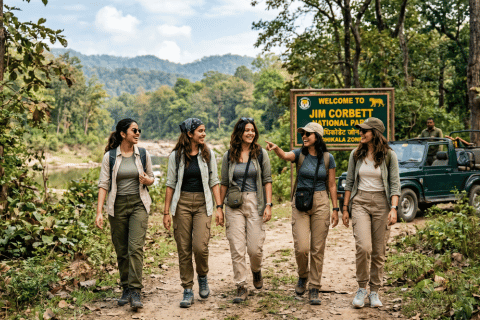
About the Uttarakhand Wildlife Tour Packages
Uttarakhand Wildlife Tour Packages 2026
What Is a Uttarakhand Wildlife Tour Package?
A Uttarakhand wildlife tour package is a professionally planned safari and nature itinerary that combines jeep safaris, birdwatching, forest walks, and nature stays across destinations such as Jim Corbett National Park, Rajaji National Park, and lesser-explored sanctuaries including Binsar Wildlife Sanctuary and Askot Wildlife Sanctuary. Most itineraries range from 2 to 7 days and include accommodation, safari bookings, private transport, permits where required, and local naturalist support.
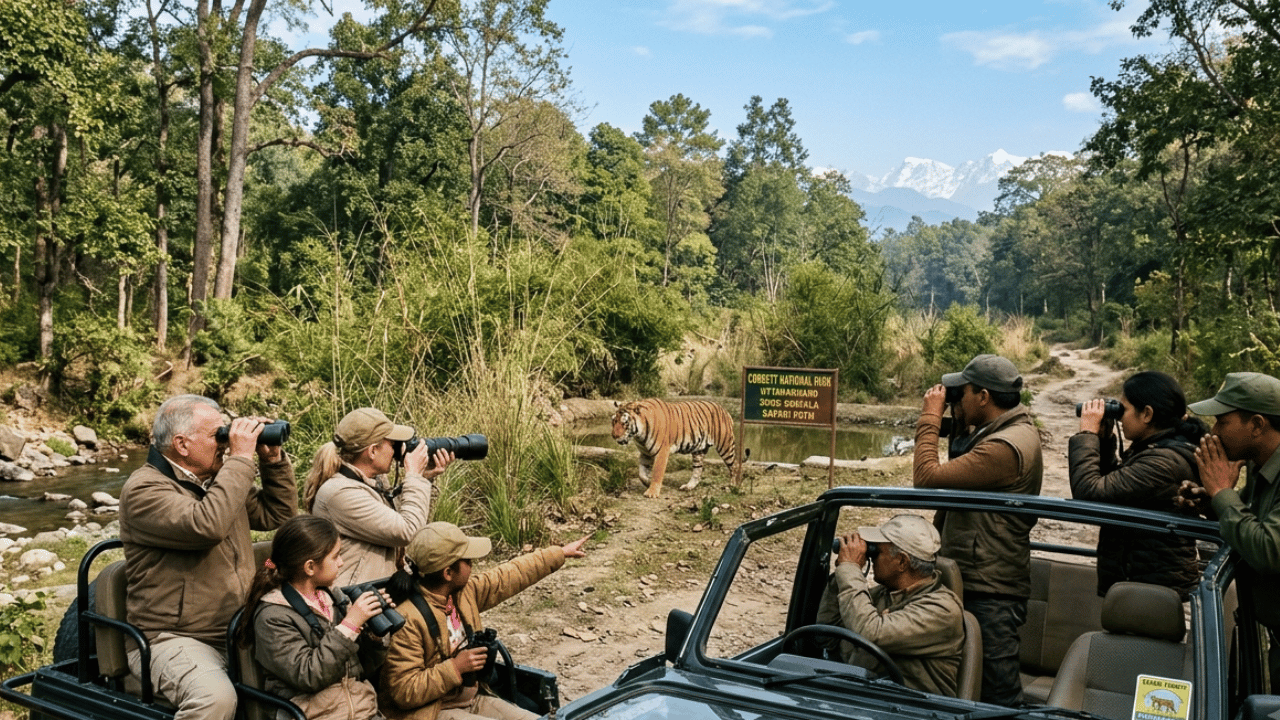
Uttarakhand is one of India's richest wildlife destinations, with 13 National Parks and Wildlife Sanctuaries covering approximately 13.8% of the state's geographical area. Its protected landscapes stretch from the Terai grasslands and Sal forests of the Himalayan foothills to alpine meadows and high-altitude ecosystems, supporting remarkable biodiversity including Bengal tigers, Asian elephants, leopards, Himalayan black bears, musk deer, and more than 650 recorded bird species.
These wildlife packages are ideal for wildlife photographers, birdwatchers, families, nature lovers, school and educational groups, and first-time safari travellers looking for professionally organised wildlife experiences with knowledgeable local guides and responsible tourism practices.
Unlike itineraries that focus only on Jim Corbett National Park, SnazzyTrips also covers the quieter wildlife destinations of Kumaon, including Binsar Wildlife Sanctuary, Askot Wildlife Sanctuary, and other lesser-known forest landscapes. This wider regional coverage allows travellers to experience Uttarakhand's biodiversity beyond its most famous safari destination.
📍 Last Reviewed: This page was last reviewed and updated in July 2026 with the latest information on safari zones, wildlife destinations, seasonal access, permits, and nature-based travel across Uttarakhand.
Quick Snapshot
Uttarakhand is home to India's oldest national park, diverse Himalayan ecosystems, and some of the country's finest wildlife experiences. Before choosing a safari package, here's a quick overview of what these tours include, who they're best suited for, and what you can expect.
| Attribute |
Details |
| What It Is |
Professionally guided wildlife holidays featuring jeep safaris, birdwatching, forest experiences, and nature stays across Uttarakhand's national parks and wildlife sanctuaries. |
| Who It's For |
Wildlife photographers, birdwatchers, families, nature enthusiasts, school groups, researchers, and first-time safari travellers. |
| Key Benefit |
Experience India's first national park alongside quieter wildlife destinations in Kumaon, offering excellent biodiversity with fewer visitors. |
| How It Works |
Zone-specific safari permits are booked in advance, followed by jeep or canter safaris led by certified naturalists and experienced local guides. |
| Typical Price Range |
Rs. 3,500 – Rs. 15,000 per person per safari, depending on the park, safari zone, vehicle type, accommodation, and whether the trip is shared or private. |
| Geographic Coverage |
Kumaon: Jim Corbett National Park, Binsar Wildlife Sanctuary, Askot Wildlife Sanctuary.
Garhwal: Rajaji National Park and surrounding forest landscapes. |
| Recommended Duration |
2–4 days for a dedicated Jim Corbett safari holiday, or 5–7 days to combine multiple wildlife destinations across Uttarakhand. |
| Best Safari Season |
Most wildlife packages operate from mid-November to mid-June. Several core safari zones remain closed during the monsoon, while selected buffer zones may continue operating depending on official regulations. |
📍 Good to Know: While Jim Corbett National Park is Uttarakhand's most famous wildlife destination, the state's protected forests also include quieter sanctuaries such as Binsar, Askot, and Rajaji National Park, making it possible to combine tiger safaris, birdwatching, elephant sightings, and Himalayan forest experiences within a single wildlife holiday.
Who This Page Is For
This guide is designed for wildlife enthusiasts, photographers, birdwatchers, families, nature lovers, school groups, and travel agents looking for professionally organised wildlife holidays across Uttarakhand. Whether you're planning your first tiger safari or a multi-park nature expedition, this page explains the best safari zones, permit requirements, seasonal access, and destination differences to help you plan with confidence.
Unlike itineraries that focus only on Jim Corbett National Park, this guide also covers Rajaji National Park and the quieter wildlife destinations of Binsar Wildlife Sanctuary and Askot Wildlife Sanctuary in Kumaon. Every section is intended to help travellers compare safari experiences, understand zone-specific permits, choose the right season, and select wildlife tours that match their interests.
📍 Still Deciding? If wildlife is only one part of your Uttarakhand holiday, explore our complete collection of Uttarakhand Tour Packages to compare wildlife tours with pilgrimage, family, honeymoon, adventure, leisure, and customised travel itineraries across both Kumaon and Garhwal.
What Uttarakhand Wildlife Tourism Actually Covers
Wildlife tourism in Uttarakhand extends far beyond tiger safaris. The state offers four distinct wildlife regions, each providing a completely different experience—from lowland tiger habitats and elephant corridors to Himalayan bird sanctuaries and alpine national parks. Understanding these regions helps travellers choose the right wildlife itinerary instead of assuming every safari is the same.
🐅 Jim Corbett National Park
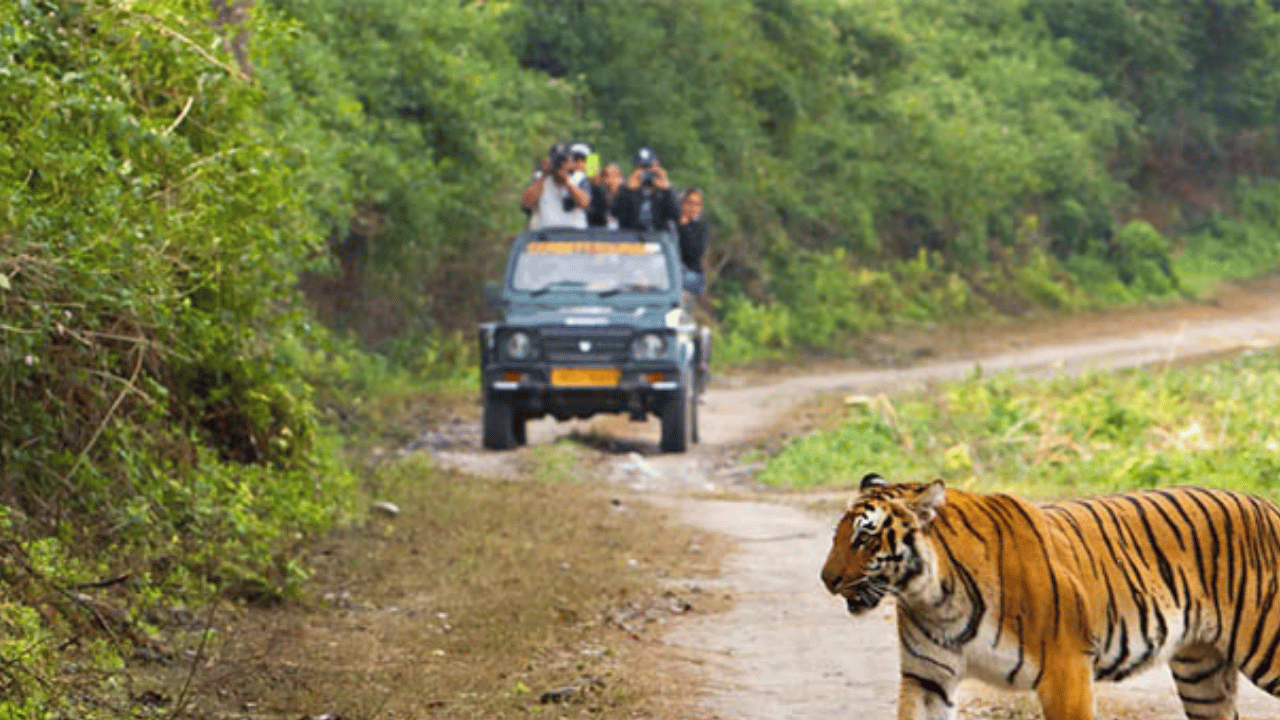
Jim Corbett National Park, established in 1936, is the oldest national park in India and remains Uttarakhand's best-known wildlife destination. It is famous for Bengal tigers, Asian elephants, leopards, deer species, crocodiles, and hundreds of bird species.
The park operates through five major tourism zones—Bijrani, Dhikala, Jhirna, Durgadevi, and Dhela. Each zone requires a separate safari permit and offers different landscapes, wildlife density, and safari experiences.
🐘 Rajaji National Park
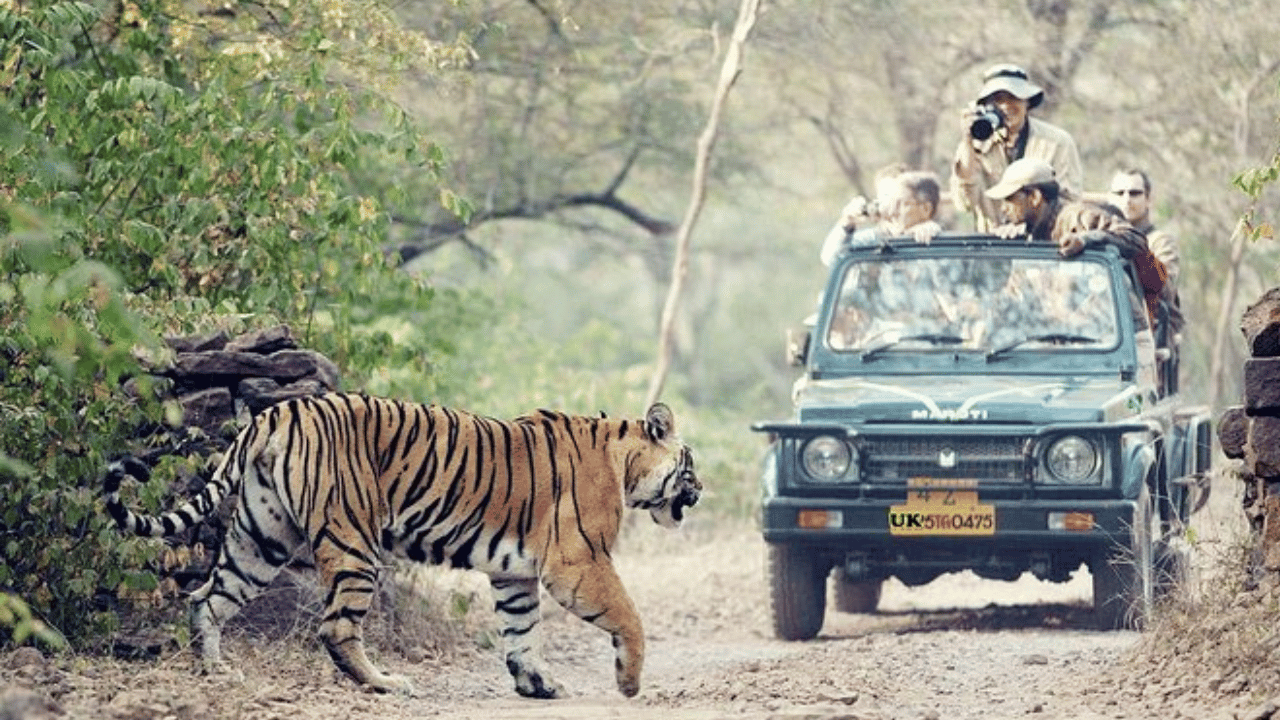
Rajaji National Park, located near Haridwar, Rishikesh, and Dehradun, is best known for its thriving Asian elephant population and forms one of North India's most important elephant corridors. The Chila Range is particularly popular for jeep safaris, birdwatching, and elephant sightings.
Its location makes Rajaji an excellent addition to itineraries that already include Haridwar, Rishikesh, or the Char Dham route without requiring a major detour.
🦌 Kumaon's Regional Wildlife Sanctuaries
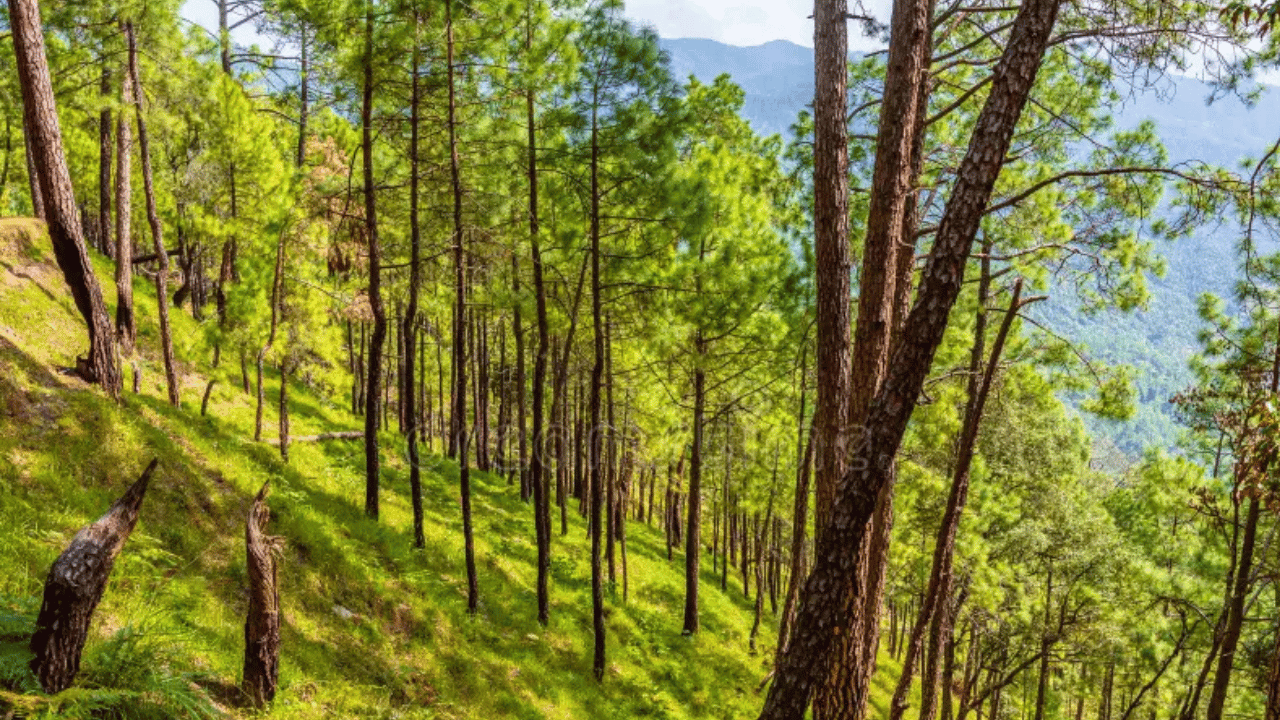
Beyond Corbett lies a quieter side of Uttarakhand's wildlife tourism. Binsar Wildlife Sanctuary is renowned for its oak and rhododendron forests, Himalayan birdlife, leopards, and spectacular mountain viewpoints, while Askot Wildlife Sanctuary protects fragile high-altitude ecosystems that support species such as the musk deer and provide habitat for the elusive snow leopard.
These sanctuaries receive only a small fraction of Corbett's annual visitors, making them excellent choices for travellers seeking peaceful nature experiences and birdwatching away from crowded safari routes.
🌸 Valley of Flowers & Nanda Devi Biosphere Reserve
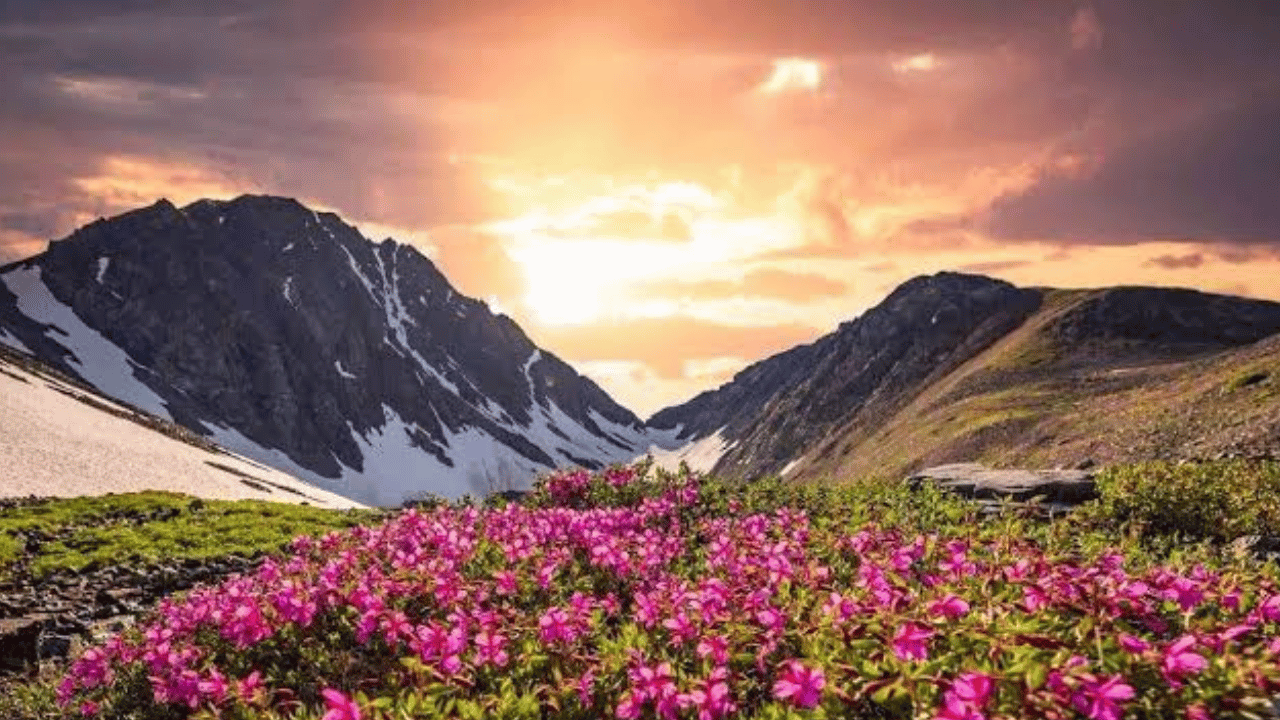
Valley of Flowers National Park, part of the Nanda Devi Biosphere Reserve and a UNESCO World Heritage Site, represents Uttarakhand's high-altitude wildlife and botanical ecosystem. Rather than tiger safaris, visitors come here for alpine meadows, rare Himalayan flora, butterflies, and occasional sightings of mountain wildlife including Himalayan tahr, blue sheep, and other high-altitude species.
This region offers a completely different wildlife experience centred on biodiversity, conservation, trekking, and Himalayan landscapes instead of traditional jeep safaris.
📍 Key Takeaway: Jim Corbett is only one part of Uttarakhand's wildlife story. Rajaji National Park, Binsar Wildlife Sanctuary, Askot Wildlife Sanctuary, and the Valley of Flowers–Nanda Devi Biosphere Reserve offer equally rewarding wildlife and nature experiences with different ecosystems, species, and significantly lighter visitor traffic.
📍 Quick Fact: Uttarakhand's protected landscapes extend from approximately 800 metres above sea level in the Terai forests to over 5,400 metres in the high Himalayas, making it one of India's few states where tropical forests, temperate woodlands, alpine meadows, and glacial ecosystems all exist within a single wildlife network.
Why a Wildlife Package Beats Booking a Safari Alone
Booking a safari independently may seem straightforward, but a single reservation usually includes only one vehicle, one safari permit, and one designated tourism zone. It does not help with choosing the best safari zone, selecting the most productive safari timing, arranging accommodation close to the park entrance, or coordinating multiple wildlife destinations within the same trip.
A professionally planned wildlife package takes care of these details from the beginning. It combines zone-specific permit bookings, experienced naturalist guides, safari vehicles, accommodation located near park gates, and carefully sequenced itineraries that minimise unnecessary travel. Whether you're combining Jim Corbett National Park with Rajaji National Park or extending into quieter destinations such as Binsar Wildlife Sanctuary, a single itinerary keeps the entire journey organised.
Wildlife packages also help travellers secure permits well before popular travel dates. Depending on the destination and season, safari permits may need to be reserved weeks or even months in advance. Choosing accommodation close to the safari gate also reduces early-morning travel, allowing you to reach the park before the most active wildlife movement begins.
Travelling with children or senior family members? Our Uttarakhand Family Holiday Packages combine wildlife safaris with relaxed sightseeing, shorter travel days, and family-friendly destinations, creating a more comfortable experience for mixed-age groups.
📍 Key Takeaway: A complete wildlife package removes the uncertainty around permit booking, safari zone selection, accommodation location, and multi-park logistics, allowing you to spend more time enjoying Uttarakhand's wildlife and less time managing the planning.
How to Book an Uttarakhand Wildlife Package: 5-Step Process
A successful wildlife holiday depends on much more than booking a safari vehicle. Safari permits, park zones, accommodation location, and timing all influence your overall experience. Following the steps below helps maximise wildlife sightings while avoiding last-minute permit issues.
1. Choose Your Wildlife Circuit
Decide whether you want a dedicated Jim Corbett National Park safari, a combination of Corbett and Rajaji National Park, or a longer itinerary that also includes quieter destinations such as Binsar Wildlife Sanctuary or Askot Wildlife Sanctuary.
2. Select the Right Safari Zone
Every Corbett tourism zone offers a different experience. Dhikala is the most sought-after for wildlife sightings, while Bijrani, Jhirna, Dhela, and Durgadevi provide excellent alternatives with generally easier permit availability.
3. Secure Safari Permits Early
Reserve your safari permits as early as possible, particularly during the winter and holiday seasons. Premium zones such as Dhikala often require bookings well in advance, while other zones generally offer greater flexibility depending on demand.
4. Choose the Best Safari Timing
Morning safaris, usually operating between 6:00 AM and 9:00 AM, are generally preferred because wildlife activity is higher during the cooler hours of the day. Afternoon safaris also provide rewarding sightings but conditions vary with the season.
5. Stay Close to the Safari Gate
Choose accommodation located within approximately 5–10 kilometres of your safari gate whenever possible. Staying nearby reduces early-morning travel, helps you reach the park on time, and maximises your time inside the reserve.
📍 Key Takeaway: The biggest limitation when planning a Corbett wildlife holiday is usually permit availability, not hotel availability. Secure your preferred safari zone first, then build the rest of your itinerary around those confirmed permits.
🧭 Traveller Tip: If Dhikala Zone is your priority, try to reserve permits at least 60 days in advance for travel during December and January. It is the most popular safari zone in Jim Corbett National Park and typically reaches capacity first.
Best Time to Visit: Month-by-Month Wildlife Suitability
Wildlife sightings in Uttarakhand change significantly throughout the year as parks follow seasonal opening schedules and animal movement patterns. Cooler months generally offer the best visibility, while the monsoon brings annual park closures for conservation and breeding. The table below helps you choose the best travel month for your wildlife holiday.
| Month |
Jim Corbett Safari |
Rajaji National Park |
Kumaon Sanctuaries |
Season Highlights |
| November |
Reopens from mid-November, excellent sightings |
Open with pleasant weather |
Open, cool and clear |
Excellent start to the safari season |
| December |
Excellent |
Excellent |
Open with excellent visibility |
Peak booking season |
| January |
Peak wildlife sightings |
Excellent |
Open, cold conditions |
Highest demand for Dhikala permits |
| February |
Excellent |
Excellent |
Open |
Comfortable weather with moderate visitor numbers |
| March |
Very good |
Very good |
Open |
Vegetation remains sparse, improving sightings |
| April |
Good |
Good |
Open |
Animals gather near water sources |
| May |
Good but hot |
Good but warm |
Open |
Early morning safaris recommended |
| June |
Most core zones operate until mid-June |
Operations reduce before monsoon |
Limited access before seasonal closure |
Final safari window before monsoon |
| July – October |
Many core zones remain closed during the monsoon; selected buffer zones may operate |
Operations vary during monsoon |
Access limited depending on sanctuary and weather |
Breeding season and annual conservation closures |
📍 Best Wildlife Season: November through March offers the most comfortable weather, excellent visibility, active wildlife movement, and full access to most safari experiences. Travellers seeking tiger sightings generally find March to May particularly rewarding as animals gather more frequently around water sources.
What to Pack and How to Prepare
Packing for a wildlife safari is different from preparing for a regular hill-station holiday. The goal isn't just comfort—it's blending into the forest, staying quiet, and being ready for long periods of observation. The right clothing and equipment can make a noticeable difference to both your wildlife sightings and overall safari experience.
👕 Choose Earth-Toned Clothing
Wear clothing in khaki, olive green, brown, or grey. Neutral colours help you blend naturally into the surroundings and minimise disturbance to wildlife. Bright colours, especially white, neon shades, or reflective fabrics, are best avoided during jeep safaris.
📷 Carry the Right Photography Gear
If photography is a priority, carry a pair of binoculars and a camera with a telephoto or zoom lens. Wildlife often stays at a considerable distance, particularly in open grasslands such as the Dhikala Zone, where patience is usually rewarded more than movement.
🧥 Carry a Light Jacket
Even during summer, early-morning jeep safaris can feel surprisingly cool because vehicles are open on all sides. A lightweight jacket or windcheater provides enough protection during the drive without becoming uncomfortable later in the day.
🌿 Avoid Strong Fragrances
Avoid using perfumes, deodorants with strong fragrances, or scented lotions before your safari. Many animals rely heavily on their sense of smell, and artificial scents can reduce the chances of close wildlife encounters.
🎒 Carry the Essentials
Bring a reusable water bottle, sunscreen, sunglasses, a cap, insect repellent, personal medicines, and a fully charged phone or camera with extra batteries or memory cards. Safari vehicles normally stop only at designated points inside the reserve.
📍 Key Takeaway: Wildlife safari packing is about remaining unobtrusive, comfortable, and patient. Neutral clothing, quiet behaviour, binoculars, and suitable camera equipment contribute far more to a successful safari than carrying trekking gear or excessive winter clothing.
SnazzyTrips Insights
After more than 21 years of organising wildlife holidays across Uttarakhand, our team at SnazzyTrips has found that many travellers focus exclusively on Dhikala Zone simply because it is the most recognised safari area in Jim Corbett National Park. While Dhikala is exceptional, neighbouring zones such as Bijrani and Jhirna regularly deliver excellent wildlife sightings and are often much easier to secure permits for—especially during the busiest winter months.
We've also observed that many visitors are unaware of Binsar Wildlife Sanctuary, despite it being one of Kumaon's finest destinations for Himalayan birdwatching, peaceful forest walks, and occasional leopard sightings. Because Binsar lies conveniently near Almora and Kausani, it can easily be combined with a Corbett safari to create a more diverse wildlife experience than a single-park itinerary.
Travellers looking to experience Uttarakhand beyond jeep safaris often extend their holiday with a traditional mountain stay. Our Uttarakhand Village Tour Packages pair naturally with wildlife itineraries, allowing guests to combine forests, village life, local cuisine, and slower-paced Himalayan travel within the same journey.
📍 Local Insight: The best wildlife holidays are planned around park opening schedules, permit availability, safari zone selection, and realistic driving times rather than simply booking the most famous park. For expertly coordinated wildlife itineraries across both Garhwal and Kumaon, explore our DMC in Uttarakhand services.
Costs and Budgeting
The cost of a Uttarakhand wildlife holiday depends on the safari zone, vehicle type, accommodation category, guide services, and the number of parks included in your itinerary. Premium zones with limited daily permits generally command higher prices, while multi-park packages provide better overall value by combining transport, accommodation, and safari bookings into one itinerary.
| Item |
Budget (Rs.) |
Mid-Range (Rs.) |
Premium (Rs.) |
| Jim Corbett Safari (Shared Jeep – Bijrani/Jhirna) |
Rs. 3,500 – 5,000 |
Rs. 6,000 – 8,000 |
Rs. 10,000+ |
| Jim Corbett Safari (Dhikala Zone – Canter/Exclusive Jeep) |
Rs. 5,000 – 7,000 |
Rs. 8,000 – 12,000 |
Rs. 15,000+ |
| Rajaji National Park Safari (Chila Zone) |
Rs. 3,000 – 4,500 |
Rs. 5,500 – 7,500 |
Rs. 9,000+ |
| Kumaon Sanctuary Visit (Binsar / Askot with Guide) |
Rs. 1,500 – 2,500 |
Rs. 3,000 – 4,500 |
Rs. 6,000+ |
| 4-Day Combined Wildlife Package |
Rs. 15,000 – 22,000 |
Rs. 25,000 – 38,000 |
Rs. 45,000+ |
📍 Quick Fact: Dhikala Zone safari permits are usually more expensive than Bijrani or Jhirna because daily visitor numbers are tightly controlled and demand remains consistently high throughout the peak wildlife season.
💡 Budgeting Tip: Compare complete package inclusions rather than safari prices alone. A good wildlife package should clearly specify safari permits, vehicle type, certified naturalist or guide, accommodation, meals, transport, and park entry charges. Paying slightly more upfront often costs less than arranging these services separately.
Common Mistake on Uttarakhand Wildlife Trips
Booking Only Dhikala Zone and Assuming It's the Only Option
One of the most common mistakes first-time visitors make is focusing exclusively on Dhikala Zone while planning a Jim Corbett National Park safari. Because Dhikala is the park's best-known tourism zone, many travellers believe it is the only place worth visiting. When permits are unavailable, they often postpone or even cancel the entire trip without considering other excellent safari options.
In reality, Bijrani, Jhirna, Dhela, and Durgadevi also offer rewarding wildlife experiences, including opportunities to spot tigers, elephants, deer, leopards, crocodiles, and hundreds of bird species. These zones generally have better permit availability, shorter booking lead times, and often provide a more relaxed safari experience with fewer visitors.
Rather than planning your entire holiday around one specific safari zone, keep your itinerary flexible and choose the best available permit for your travel dates. A morning safari in Bijrani or Jhirna can be just as memorable as one in Dhikala, particularly when guided by an experienced naturalist.
📍 Key Takeaway: Don't let Dhikala permit availability determine whether you visit Jim Corbett. Keeping your safari zone flexible significantly improves your chances of securing permits while still enjoying an outstanding wildlife experience.
Jim Corbett National Park vs Rajaji National Park
Both parks offer outstanding wildlife experiences, but they serve different travel styles. Jim Corbett National Park is India's premier tiger safari destination with multiple tourism zones, while Rajaji National Park is known for its elephant population, birdlife, and convenient location near Haridwar and Rishikesh. Choosing between them depends on the type of wildlife experience and itinerary you're planning.
| Factor |
Jim Corbett National Park |
Rajaji National Park |
| Location |
Kumaon region (Ramnagar, Nainital district) |
Haridwar–Rishikesh–Dehradun region (Garhwal) |
| Best Known For |
Bengal tigers, Asian elephants, leopards, crocodiles, and rich wildlife diversity. |
Large elephant herds, birdwatching, riverine forests, and the famous elephant corridor. |
| Safari Zones |
Five major tourism zones – Bijrani, Dhikala, Jhirna, Dhela, and Durgadevi. |
Multiple tourism ranges, with Chila being the most popular for visitors. |
| Permit Availability |
High demand for Dhikala; moderate availability in other zones with advance booking recommended. |
Generally easier to secure permits, especially outside holiday periods. |
| Best Combined With |
Nainital, Mukteshwar, Kausani, Almora, Munsiyari, and other Kumaon destinations. |
Haridwar, Rishikesh, Dehradun, Mussoorie, and the Char Dham pilgrimage circuit. |
📍 Key Takeaway: Jim Corbett National Park is the ideal choice for travellers planning a dedicated wildlife holiday focused on tiger safaris and multiple safari zones. Rajaji National Park is better suited as an extension to a Haridwar, Rishikesh, or Char Dham itinerary, offering excellent elephant sightings and birdwatching without requiring a separate Kumaon trip.
By the Numbers
Planning a successful wildlife holiday depends on experienced local teams, trusted safari partners, and deep knowledge of Uttarakhand's protected forests. These numbers reflect the scale and on-ground expertise behind SnazzyTrips' wildlife operations.
21+
Years of On-Ground Experience
Operating wildlife, nature, and leisure tours across Uttarakhand since 2003.
150+
Verified Local Partners
Trusted safari operators, naturalists, hotels, transport providers, and destination specialists across Uttarakhand.
1,000+
Curated Tour Packages
Wildlife, adventure, pilgrimage, honeymoon, family, and customised Uttarakhand itineraries.
4.7/5
Average Traveller Rating
Consistently maintained through verified customer feedback and repeat travellers.
5
Corbett Safari Zones Covered
Coverage across Bijrani, Dhikala, Jhirna, Dhela, and Durgadevi with permit assistance.
4+
Wildlife Parks & Sanctuaries Covered
Including Jim Corbett National Park, Rajaji National Park, Binsar Wildlife Sanctuary, Askot Wildlife Sanctuary, and other protected nature destinations.
Frequently Asked Questions
Q: Which is the best zone for tiger sightings in Jim Corbett National Park?
The Dhikala Zone is widely regarded as the best safari zone for tiger sightings because of its vast grasslands, riverine habitat, and abundant wildlife. However, permits are highly competitive, especially between December and February. Bijrani and Jhirna also offer excellent opportunities to spot tigers, elephants, and other wildlife while generally being easier to book.
Q: When does Jim Corbett National Park close for the season?
Several core tourism zones, including Dhikala, typically close during the monsoon from around mid-June until mid-November. Some buffer zones, such as Jhirna and Dhela, may remain operational for longer depending on weather conditions and official park notifications, so it is always advisable to confirm availability before booking.
Q: Is Rajaji National Park worth visiting instead of Corbett?
Yes, especially if your itinerary already includes Haridwar, Rishikesh, or the Char Dham route. Rajaji National Park is famous for its elephant population, rich birdlife, and relatively easy permit availability. Travellers focused primarily on tiger safaris usually prefer Corbett, while Rajaji makes an excellent addition to a broader Garhwal holiday.
Q: Do I need a permit for a Jim Corbett safari?
Yes. Every safari zone inside Jim Corbett National Park requires a separate government-issued permit. Popular zones, particularly Dhikala, often need to be reserved well in advance during the peak wildlife season. Permits are issued for a specific zone and date and generally cannot be transferred after confirmation.
Q: What is the best time for wildlife safaris in Uttarakhand?
November to April offers the most reliable safari conditions across Jim Corbett National Park, Rajaji National Park, and Kumaon's wildlife sanctuaries. While December to February provides crisp weather and excellent visibility, April and May are also rewarding because wildlife gathers around shrinking water sources, improving sighting opportunities.
Q: Are there wildlife sanctuaries in Uttarakhand besides Jim Corbett?
Yes. Uttarakhand has several excellent protected areas beyond Corbett, including Rajaji National Park, Binsar Wildlife Sanctuary, and Askot Wildlife Sanctuary. These destinations are especially popular with birdwatchers, wildlife photographers, and travellers seeking quieter forest experiences away from the larger tourist crowds.
Q: How many days are needed for a good wildlife trip in Uttarakhand?
A dedicated Jim Corbett safari holiday can comfortably be completed in 2–3 days. If you want to combine Corbett with Rajaji National Park, Binsar Wildlife Sanctuary, or other Kumaon wildlife destinations, plan for 5–7 days so there is enough time for travel, multiple safaris, and a more relaxed experience.