About the Uttarakhand Yoga and Wellness Retreat Packages
Uttarakhand Yoga and Wellness Retreat Packages
Uttarakhand yoga and wellness retreat packages combine yoga, meditation, Ayurveda, nature therapy, and mindful living in some of India's most peaceful Himalayan destinations. Most retreats are centred around Rishikesh—widely recognised as the Yoga Capital of the World—while premium wellness resorts in Dehradun and Tehri offer structured programmes focused on stress management, detoxification, fitness, and holistic well-being. Retreat durations generally range from 3 to 14 days, depending on the programme and wellness goals.
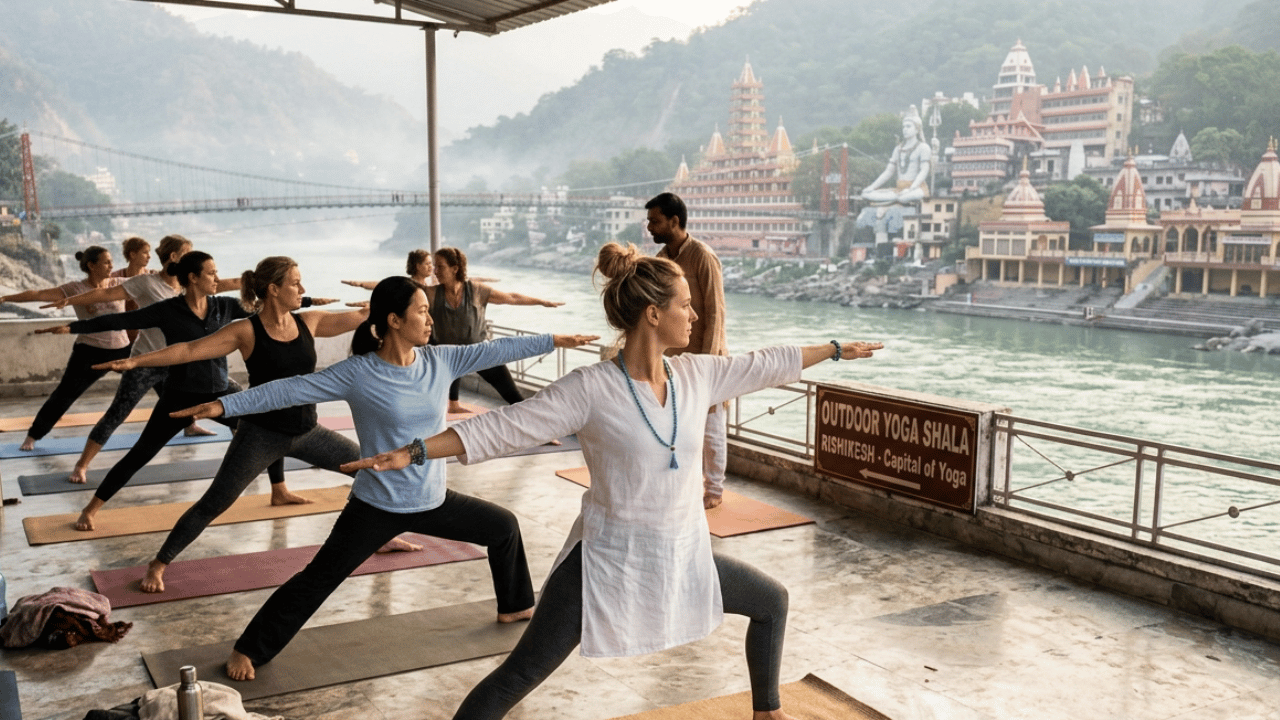
Uttarakhand has long been associated with spiritual learning, where sages and yogis traditionally practised meditation along the banks of the sacred Ganges and in the Himalayan foothills. Today, that centuries-old heritage blends naturally with modern wellness infrastructure, offering everything from affordable yoga ashrams and teacher-led retreats to luxury wellness resorts featuring Ayurvedic therapies, spa treatments, guided meditation, nutrition counselling, and digital detox programmes.
These retreats are ideal for beginners exploring yoga, experienced practitioners, professionals seeking stress relief, solo travellers, couples, and anyone wanting to disconnect from daily routines while improving physical and mental well-being in a peaceful Himalayan environment.
What distinguishes SnazzyTrips is our ability to curate the full range of wellness experiences across Uttarakhand. Rather than focusing only on a handful of well-known Rishikesh properties, we connect travellers with traditional yoga ashrams, boutique wellness centres, Ayurvedic retreats, and premium resorts across Rishikesh, Dehradun, and Tehri, helping guests choose programmes that match their goals, comfort preferences, and budget.
📅 Page Status: This page was last reviewed and updated in July 2026 to reflect the latest yoga retreats, Ayurveda programmes, wellness resorts, and meditation experiences available across Uttarakhand.
Quick Snapshot
This overview highlights the essentials of Uttarakhand yoga and wellness retreat packages, including who they're designed for, how the retreats work, expected costs, ideal destinations, and the recommended duration for different wellness goals.
| Attribute |
Details |
| What it is |
Structured yoga, meditation, Ayurveda, detox, and holistic wellness retreats held in peaceful Himalayan destinations across Uttarakhand. |
| Who it is for |
Stress-recovery travellers, yoga practitioners, beginners, wellness seekers, solo travellers, professionals, and anyone looking for a digital detox. |
| Key Benefit |
Combines Rishikesh's centuries-old yoga heritage with modern Ayurveda, meditation, wellness therapies, and Himalayan tranquillity. |
| How it Works |
Fixed-duration retreat programmes lasting 3 to 14 days, typically including accommodation, vegetarian meals, daily yoga sessions, meditation, wellness consultations, and selected therapies. |
| Price Range |
Rs. 3,000 to Rs. 25,000+ per person, per night, depending on the retreat category, accommodation, therapies, and programme inclusions. |
| Geographic Focus |
Rishikesh (Yoga Capital of the World), Tehri (lake-view wellness retreats), and Dehradun (luxury wellness resorts and Ayurveda centres). |
| Best Duration |
3 to 7 days for beginners or relaxation retreats, while 14 days or longer is recommended for yoga teacher training and comprehensive wellness programmes. |
| Ideal For |
All fitness levels, with most retreats offering beginner, intermediate, and advanced programmes, along with personalised wellness guidance. |
Who This Page Is For
This guide is designed for travellers looking for a structured yoga, meditation, Ayurveda, or wellness retreat in Uttarakhand rather than a conventional sightseeing holiday. Whether your goal is stress relief, physical fitness, spiritual growth, digital detox, or holistic healing, this page helps you understand the different retreat styles, destinations, programme durations, and wellness experiences available across the state.
These retreats are particularly suitable for beginners exploring yoga, experienced practitioners, working professionals recovering from burnout, solo travellers, couples, and anyone seeking a peaceful Himalayan environment to reconnect with their physical and mental well-being through guided daily practice.
Since Rishikesh is the centre of Uttarakhand's yoga and wellness tradition, many travellers combine a retreat with visits to the city's iconic temples, Ganga Aarti, riverfront cafés, and adventure activities. If you're planning a broader holiday alongside your wellness programme, explore our Rishikesh Tour Packages to create a balanced itinerary that blends relaxation, spirituality, and sightseeing.
What Uttarakhand's Wellness Retreat Landscape Actually Covers
Uttarakhand offers one of India's most diverse wellness ecosystems, combining centuries-old yogic traditions with modern holistic wellness facilities. Broadly, the state's retreats fall into three categories: traditional yoga ashrams, Ayurveda and detox retreats, and luxury wellness resorts. Each serves a different purpose, making it important to choose a programme based on your personal wellness goals rather than simply selecting the most popular property.
The Three Main Types of Wellness Retreats
🧘 Traditional Yoga Ashrams
Centered primarily in Rishikesh, these ashrams focus on disciplined yoga practice, meditation, pranayama, chanting, and spiritual learning. Accommodation is usually simple, daily routines begin early, and programmes emphasise inner growth rather than luxury. They are ideal for travellers seeking an authentic yogic lifestyle and structured practice.
🌿 Ayurveda & Detox Retreats
Ayurveda retreats combine yoga with personalised wellness therapies, herbal treatments, therapeutic massages, and carefully planned vegetarian meals. Many programmes include Panchakarma, a traditional Ayurvedic detoxification process involving specialised cleansing therapies, medicated oils, dietary regulation, and supervised wellness routines that typically run for 7 to 21 days.
🏞️ Luxury Wellness Resorts
Located around Dehradun, Tehri Lake, and surrounding Himalayan destinations, these resorts combine yoga, meditation, Ayurveda, spa therapies, nutrition planning, and premium accommodation. Private villas, wellness consultations, gourmet healthy cuisine, and personalised programmes make them suitable for travellers prioritising relaxation and comfort alongside holistic wellness.
Comparison of Wellness Retreat Types
| Retreat Type |
Primary Focus |
Typical Duration |
Best For |
| Traditional Yoga Ashram |
Yoga, meditation, pranayama, and spiritual discipline. |
3–14 days or longer. |
Spiritual seekers and yoga practitioners. |
| Ayurveda & Detox Retreat |
Holistic healing, Panchakarma, nutrition, and detoxification. |
7–21 days. |
Travellers seeking health improvement and supervised wellness. |
| Luxury Wellness Resort |
Relaxation, spa therapies, yoga, and premium wellness experiences. |
3–7 days. |
Couples, professionals, and luxury wellness travellers. |
📍 Key Takeaway: Uttarakhand's wellness retreats range from simple, discipline-focused yoga ashrams to luxury wellness resorts. Choosing the right retreat depends on whether your priority is spiritual practice, Ayurvedic healing and detox, or relaxation with premium comfort.
📍 Quick Fact: Rishikesh hosts the internationally renowned International Yoga Festival every March, attracting yoga teachers, practitioners, and wellness enthusiasts from dozens of countries for a week of workshops, meditation sessions, and cultural events.
Why a Structured Retreat Beats a Self-Planned Wellness Trip
Planning your own wellness holiday often means booking a peaceful hotel in the mountains and attending a yoga class whenever convenient. While the setting may be relaxing, the experience usually lacks the consistency, expert guidance, and supportive environment needed to achieve meaningful physical and mental benefits.
A structured retreat is designed around a carefully planned daily routine where every element—from meals to meditation sessions—supports your wellness journey. Instead of deciding what to do each day, participants simply follow a professionally designed programme that encourages consistency, discipline, and gradual progress.
| Feature |
Structured Wellness Retreat |
Self-Planned Wellness Trip |
| Daily Routine |
Fixed schedule of yoga, meditation, breathing exercises, and wellness therapies. |
Flexible itinerary with no structured programme. |
| Meals |
Balanced sattvic vegetarian meals designed to complement yoga and wellness practices. |
Regular hotel or restaurant dining with no wellness focus. |
| Professional Guidance |
Certified yoga instructors, meditation teachers, and wellness practitioners. |
Self-guided or occasional optional classes. |
| Environment |
Calm surroundings with wellness-focused guidelines such as no alcohol and, at some retreats, limited phone usage. |
Standard hotel atmosphere with typical holiday distractions. |
| Overall Goal |
Personal transformation through consistent daily practice. |
Relaxation and sightseeing without a defined wellness programme. |
What a Wellness Retreat Typically Includes
🧘 Daily Guided Practice
Morning and evening yoga, meditation, pranayama, and mindfulness sessions conducted by experienced instructors.
🥗 Sattvic Nutrition
Fresh vegetarian meals prepared according to yogic principles to promote physical lightness, mental clarity, and overall well-being throughout the programme.
🌿 Holistic Wellness Therapies
Depending on the retreat, programmes may include Ayurvedic consultations, massage therapies, detox treatments, sound healing, and guided relaxation sessions.
📵 Supportive Environment
Many retreats encourage limited screen time, quiet hours, alcohol-free living, and mindful routines that help participants disconnect from daily stress.
Travellers who prefer a slower pace without following a fixed wellness schedule often enjoy our Uttarakhand Offbeat Tour Packages or Uttarakhand Farm Stay Packages, where relaxation comes through nature and local experiences rather than structured daily programmes.
📍 Key Takeaway: The biggest advantage of a genuine wellness retreat is its structured daily routine. Qualified instructors, scheduled yoga and meditation sessions, nourishing sattvic meals, and a distraction-free environment create an experience that goes far beyond simply staying at a scenic hotel.
How to Book a Yoga & Wellness Retreat: 5-Step Process
Choosing the right yoga or wellness retreat is about much more than selecting the most attractive property. Your wellness objective, programme duration, teaching style, and retreat environment all influence the experience. Following these five steps will help you select a retreat that genuinely matches your goals.
1
Define Your Wellness Goal
Decide whether your priority is relaxation, daily yoga practice, meditation, or a structured Ayurvedic detox programme. Traditional ashrams, Panchakarma centres, and luxury wellness resorts each specialise in different types of wellness experiences.
2
Choose the Right Programme Duration
3–5 days is ideal for a short wellness escape, while 7–21 days is recommended for Panchakarma detox programmes, deeper meditation retreats, or yoga teacher training courses that require gradual physical and mental progression.
3
Match the Programme to Your Experience Level
Most yoga retreats and ashrams in Rishikesh welcome beginners, while specialised teacher-training courses and advanced practice programmes may require previous yoga experience. Selecting a programme suited to your ability helps you enjoy the retreat without feeling overwhelmed.
4
Review Programme Inclusions Carefully
Compare what each retreat includes before booking. Some packages cover accommodation, vegetarian meals, yoga classes, meditation, Ayurveda consultations, and wellness therapies, while others charge separately for specialised treatments or private sessions.
5
Understand the Retreat Environment
Every retreat follows its own lifestyle guidelines. Many traditional ashrams encourage limited phone usage, alcohol-free living, early wake-up schedules, and sattvic vegetarian meals, while luxury wellness resorts usually offer greater flexibility. Reviewing these policies beforehand ensures the retreat matches your expectations.
📍 Key Takeaway: The most important booking decision is choosing a retreat that matches your personal wellness objective. Whether your goal is relaxation, disciplined yoga practice, or Ayurvedic healing, selecting the right programme matters far more than choosing a property based only on photographs or luxury amenities.
🧭 Traveler Tip: If you're planning to attend a retreat in Rishikesh during the International Yoga Festival in March, reserve your accommodation at least one month in advance. Ashrams and wellness centres experience exceptionally high demand during this period, and many popular programmes reach full capacity well before the event begins.
Best Time to Visit: Month-by-Month Suitability
Yoga and wellness retreats operate throughout the year, but weather conditions, seasonal events, and outdoor practice opportunities vary considerably. The table below highlights the best months for planning a retreat in Rishikesh, Tehri, and Dehradun.
| Month |
Rishikesh Retreats |
Tehri & Dehradun Retreats |
Notes |
| January |
Cold mornings, ideal for indoor yoga and meditation. |
Cold, peaceful, and uncrowded. |
Excellent for travellers seeking a quiet, distraction-free wellness retreat. |
| February |
Pleasant weather with clear skies. |
Comfortable temperatures throughout the day. |
One of the best months before the peak tourist season begins. |
| March |
Peak season due to the International Yoga Festival. |
Pleasant and increasingly popular. |
Advance booking is strongly recommended. |
| April |
Warm with favourable outdoor conditions. |
Warm and comfortable. |
Excellent transition month before summer intensifies. |
| May |
Warm afternoons; morning sessions are most comfortable. |
Pleasant compared to the plains. |
Outdoor yoga is best scheduled during cooler hours. |
| June |
Hot and humid before the monsoon. |
Warm conditions continue. |
Less suitable for extended outdoor sessions. |
| July – August |
Monsoon season with indoor programmes continuing. |
Rainy season with lush surroundings. |
Ideal for meditation, Ayurveda, and indoor wellness activities. |
| September |
Weather improves after the monsoon. |
Fresh, green landscapes with improving conditions. |
A good shoulder season with fewer visitors. |
| October |
Clear skies and pleasant temperatures. |
Excellent weather for outdoor wellness activities. |
Widely regarded as the best month for yoga retreats. |
| November |
Cool, dry, and comfortable. |
Excellent conditions continue. |
Second-best overall period for wellness holidays. |
| December |
Cold mornings with clear weather. |
Cold, peaceful, and scenic. |
Perfect for travellers seeking a quiet winter retreat. |
📍 Key Takeaway: October and November provide the most comfortable weather for yoga, meditation, and outdoor wellness sessions across Uttarakhand. March is equally popular because of the International Yoga Festival, while the monsoon months are best suited to indoor meditation, Ayurveda, and detox programmes.
What to Pack and How to Prepare
Packing for a yoga and wellness retreat is different from preparing for a sightseeing holiday. Most of your time will be spent attending structured yoga sessions, meditation classes, wellness therapies, and quiet periods of reflection, so comfort, simplicity, and practicality should take priority over conventional travel gear.
🧘 Pack Comfortable Yoga Clothing
Carry lightweight, breathable clothing that allows unrestricted movement during yoga practice. Layering is recommended because early morning sessions in Rishikesh, Tehri, and other Himalayan destinations can be cool even during warmer months, while afternoons become significantly warmer.
🧺 Bring Your Own Yoga Essentials
If you're attending a retreat lasting several days or longer, consider carrying your own yoga mat, yoga towel, reusable water bottle, and meditation cushion if preferred. While many retreats provide mats, smaller ashrams may have limited shared equipment or encourage guests to use their own.
📵 Keep Electronics to a Minimum
Many yoga retreats encourage digital detox by limiting phone usage during classes, meditation sessions, or throughout the day. Carry only the essentials, avoid unnecessary electronic devices, and prepare to disconnect from constant notifications so you can fully focus on the retreat experience.
💊 Carry Personal Medication and Health Information
Bring any prescription medicines in their original packaging and inform the retreat staff about existing medical conditions before beginning Ayurveda therapies or detox programmes. Some treatments are personalised, making an accurate health history important for a safe and effective experience.
🌿 Prepare for a Simpler Daily Routine
Most retreats follow structured schedules with early morning yoga, meditation, wholesome vegetarian meals, and quiet periods throughout the day. Arriving with an open mind and a willingness to adapt to slower routines makes the transition easier and helps you gain the maximum benefit from the programme.
📍 Key Takeaway: Pack for daily yoga practice and mindful living, not sightseeing. Comfortable clothing, layered garments, a personal yoga mat, minimal electronics, and any required medication will contribute far more to your retreat than conventional holiday accessories.
SnazzyTrips Insights
With over 21 years of arranging wellness holidays across Uttarakhand, we've found that first-time retreat guests often expect a leisurely spa holiday, only to discover that many traditional yoga ashrams follow a disciplined daily routine. Morning meditation commonly begins between 5:00 AM and 6:00 AM, followed by yoga practice, mindful meals, lectures, and evening meditation sessions. Travellers who understand this structured lifestyle before arriving usually find the experience far more rewarding than those expecting a flexible holiday schedule.
We've also learned that Panchakarma and Ayurvedic detox programmes require adequate time to produce meaningful results. While many visitors initially enquire about 3-day detox packages, authentic Ayurvedic practitioners generally recommend a minimum of 7 days, with comprehensive programmes extending to 14 or 21 days. Shorter stays are better suited to introductory wellness experiences rather than complete detoxification.
Because Rishikesh alone offers hundreds of yoga schools, ashrams, and wellness centres, selecting the right retreat can quickly become overwhelming. Rather than recommending the same popular properties to every traveller, we help match each guest's available time, budget, experience level, and wellness objective with the most suitable programme—whether that's a traditional yoga ashram, an Ayurveda retreat, or a luxury wellness resort.
📍 Local Insight: The most successful wellness retreats begin with realistic expectations. Choose an ashram if your priority is disciplined yoga practice, select an Ayurveda retreat if your goal is holistic healing, and allow enough time for your chosen programme to deliver meaningful results.
For a yoga or wellness retreat tailored to your schedule, experience level, and wellness goals, explore SnazzyTrips. We help you compare traditional Rishikesh ashrams, Ayurveda retreats, and luxury wellness resorts to build an itinerary that fits both your available time and your desired outcome.
Costs and Budgeting
The cost of a yoga or wellness retreat in Uttarakhand depends on the type of programme, accommodation standard, retreat duration, instructor expertise, and included therapies. Traditional yoga ashrams remain the most economical option, while luxury wellness resorts and personalised Ayurvedic programmes occupy the premium end of the market.
| Retreat Type |
Budget (Rs.) |
Mid-Range (Rs.) |
Premium (Rs.) |
Traditional Ashram Stay
Per night, including simple accommodation and vegetarian meals |
Rs. 800 – 1,500 |
Rs. 2,000 – 3,500 |
Rs. 5,000+ |
Structured Yoga Retreat
7-day guided programme with yoga, meditation, accommodation, and meals |
Rs. 12,000 – 18,000 |
Rs. 20,000 – 32,000 |
Rs. 40,000+ |
Ayurvedic Panchakarma Programme
7–14 day supervised detox and wellness programme |
Rs. 25,000 – 40,000 |
Rs. 45,000 – 70,000 |
Rs. 90,000+ |
Luxury Wellness Resort
Per night in Dehradun or Tehri, including selected wellness facilities |
Not typically available |
Rs. 15,000 – 25,000 |
Rs. 30,000+ |
📍 Quick Fact: Authentic Panchakarma programmes generally require a minimum of seven days to deliver meaningful therapeutic benefits. Most Ayurvedic practitioners recommend 14 to 21 days for a comprehensive detox and restorative treatment plan.
💡 Budgeting Tip: Compare retreat packages based on overall inclusions, not just the nightly rate. Some programmes include accommodation, all meals, yoga classes, meditation sessions, Ayurvedic consultations, therapies, airport transfers, and wellness activities, while others price these services separately. A package with a higher upfront price may offer significantly better overall value.
Common Mistakes on Wellness Retreat Trips
Booking a Short Detox Programme and Expecting Long-Term Results
One of the biggest misconceptions among first-time wellness travellers is assuming that a 2- or 3-day detox retreat delivers the same benefits as a traditional Panchakarma programme. After returning home, many guests feel disappointed because they expected significant physical or therapeutic changes from a programme that was never intended to provide them.
This confusion usually arises because the word "detox" is widely used in wellness marketing to describe everything from weekend relaxation breaks to complete Ayurvedic cleansing programmes. In traditional Ayurveda, however, Panchakarma follows a carefully structured process involving preparation, cleansing therapies, and recovery, which generally requires at least seven days, with many practitioners recommending 14 to 21 days for more comprehensive results.
Before booking, check whether the programme is designed as a wellness introduction, a relaxation retreat, or a full Panchakarma treatment. Matching your expectations to the programme length will help you choose the experience that genuinely aligns with your health goals and available time.
✅ What to Do Instead: Treat retreats lasting 3 to 5 days as wellness introductions focused on relaxation, yoga, and mindfulness. If your goal is a traditional Ayurvedic detox, choose a 7-day or longer Panchakarma programme recommended by qualified practitioners, allowing sufficient time for the complete therapeutic process.
Rishikesh Ashram Stay vs Luxury Wellness Resort
Although both options focus on health and well-being, they deliver very different experiences. Traditional Rishikesh ashrams emphasize disciplined yoga, meditation, and spiritual living, while luxury wellness resorts combine holistic therapies with premium accommodation, personalised services, and greater flexibility. Understanding these differences helps you choose the retreat that best matches your goals, comfort preferences, and budget.
| Factor |
Rishikesh Ashram Stay |
Luxury Wellness Resort (Dehradun / Tehri) |
| Typical Cost |
Rs. 800 – 3,500 per night. |
Rs. 15,000+ per night, depending on the resort and programme. |
| Atmosphere |
Simple, disciplined, community-oriented, and spiritually focused. |
Private, tranquil, spa-like environment with personalised hospitality. |
| Meals |
Traditional sattvic vegetarian meals served at fixed times. |
Curated wellness cuisine with personalised meal plans and nutritional guidance. |
| Daily Schedule |
Structured routine with fixed yoga, meditation, and prayer sessions, often mandatory. |
Flexible timetable where guests choose treatments and wellness activities. |
| Accommodation |
Comfortable but simple rooms with essential facilities. |
Premium rooms, suites, or private villas with luxury amenities. |
| Wellness Focus |
Yoga, meditation, pranayama, philosophy, and spiritual discipline. |
Yoga, Ayurveda, spa therapies, fitness, nutrition, and holistic relaxation. |
| Best For |
Yoga practitioners, spiritual seekers, and budget-conscious travellers wanting an authentic ashram experience. |
Couples, professionals, and wellness travellers seeking comfort, privacy, and personalised programmes. |
📍 Key Takeaway: A Rishikesh ashram is ideal for travellers seeking authentic yogic discipline, structured daily practice, and an affordable spiritual experience. A luxury wellness resort is better suited to those who value personalised wellness programmes, premium accommodation, spa therapies, and greater flexibility while still enjoying the benefits of yoga and holistic healing.
By the Numbers
These figures highlight the experience, local partnerships, and wellness expertise behind SnazzyTrips' yoga and wellness retreat packages across Uttarakhand, helping travellers choose from trusted retreats that balance authentic practice with comfortable travel planning.
21+
Years of On-Ground Experience
Helping travellers discover authentic yoga, wellness, pilgrimage, and Himalayan experiences across Uttarakhand since 2003.
150+
Verified Local Partners
Trusted retreat centres, yoga schools, Ayurveda practitioners, wellness resorts, transport providers, and hospitality partners across Kumaon and Garhwal.
1,000+
Curated Tour Packages
Including yoga retreats, Ayurveda holidays, trekking, wildlife, pilgrimage, family vacations, honeymoon tours, village experiences, and offbeat Uttarakhand journeys.
4.7/5
Average Traveller Rating
Reflecting consistently positive guest experiences across customised Uttarakhand holidays and wellness retreats.
3
Major Wellness Hubs Covered
Rishikesh, Dehradun, and Tehri, offering everything from traditional yoga ashrams to luxury wellness resorts.
7 Days
Minimum Recommended Panchakarma Duration
The generally recommended minimum duration for a traditional Ayurvedic Panchakarma programme to complete its core therapeutic stages under professional supervision.
Frequently Asked Questions
Q: Is Rishikesh a good place for beginners to try yoga?
Yes. Rishikesh, widely recognised as the Yoga Capital of the World, welcomes practitioners of every experience level. Most yoga schools and retreat centres offer beginner-friendly classes with qualified instructors who gradually introduce yoga postures, breathing techniques, and meditation, making prior experience unnecessary.
Q: How many days are needed for a proper Ayurvedic detox in Uttarakhand?
A traditional Panchakarma programme generally requires a minimum of seven days, while many Ayurvedic practitioners recommend 14 to 21 days for deeper therapeutic benefits. Retreats lasting only 3 to 5 days are better viewed as introductory wellness experiences rather than complete detox programmes.
Q: What is the best time of year for a yoga retreat in Rishikesh?
October through March offers the most comfortable weather for yoga and meditation, with cool mornings and pleasant daytime temperatures. March is especially popular because of the International Yoga Festival, while the warmer summer months remain suitable as many retreats move outdoor practice indoors during peak heat.
Q: Are Uttarakhand wellness retreats suitable for people with no yoga experience?
Absolutely. Most yoga retreats and ashrams are designed to accommodate complete beginners alongside experienced practitioners. Only specialised programmes such as intensive yoga teacher training courses or advanced practice retreats may expect participants to have previous yoga experience.
Q: What is the difference between a yoga retreat and an Ayurveda retreat?
A yoga retreat focuses primarily on daily yoga, meditation, pranayama, and mindfulness practices, usually lasting 3 to 14 days. An Ayurveda retreat centres on holistic healing through therapies, herbal treatments, dietary guidance, and Panchakarma programmes, which generally require 7 days or more. Many wellness centres combine both approaches, although one usually forms the primary focus of the programme.
Q: How much does a wellness retreat in Uttarakhand typically cost?
A traditional ashram stay with accommodation and vegetarian meals generally costs between Rs. 800 and Rs. 1,500 per night. Structured 7-day yoga retreats typically range from Rs. 12,000 to Rs. 32,000, while luxury wellness resorts in destinations such as Dehradun and Tehri usually begin at around Rs. 15,000 per night and increase depending on accommodation, therapies, and personalised wellness programmes.
Q: Do Uttarakhand retreats restrict phone or alcohol use?
Many traditional yoga ashrams maintain a strict no-alcohol policy and encourage or require participants to limit phone use during classes, meditation sessions, and communal activities. Luxury wellness resorts generally offer more flexibility, although alcohol is commonly discouraged during Ayurveda treatments, detox programmes, and structured wellness retreats to support the intended health benefits.