Auli Snowfall: When Does It Snow & What to Expect Each Month
Auli Snowfall: When Does It Snow & What to Expect Each Month
Quick Answer: Auli usually gets its first snowfall in December, sometimes in late November. The heaviest and most reliable snow comes in January and February, which is also peak skiing season. Snow often stays on the slopes into early to mid-March. From April to October, Auli has no regular snowfall, though the surrounding high peaks stay white year-round. For the best chance of fresh snowfall and snow-covered slopes, plan your trip between the last week of December and the end of February, and keep your dates flexible, because Himalayan snowfall depends on weather systems and is never guaranteed on specific days.
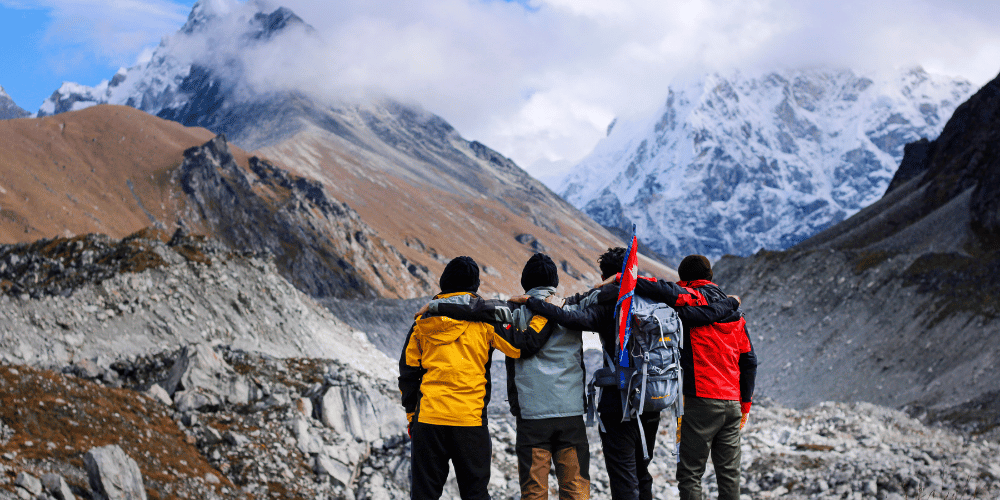
Auli is Uttarakhand's best-known snow destination: a high meadow above Joshimath with ski slopes, oak and conifer forests, and one of the finest views of Nanda Devi in India. But "go to Auli for snow" is only half a plan. Arrive two weeks too early and you may find brown slopes with snow only on distant peaks. Arrive after a heavy storm and you may find the road closed for a day.
This guide breaks down Auli snowfall month by month: what the slopes look like, how cold it gets, whether you can ski, and how roads behave. It's based on what we see on the ground every winter. SnazzyTrips is a Haldwani-based Uttarakhand DMC since 2003, trusted by 20,000+ families, covering 50+ destinations with 150+ verified local partners and a 4.6/5 average rating across verified traveller reviews. As an Uttarakhand tour company based in Haldwani, we plan snow trips to Auli every season, and the timing questions in this guide are the ones travellers ask us most.
Auli Snowfall at a Glance: Month-by-Month Table
| Month | Snowfall Chance | Snow on Slopes | Approx. Day / Night Temp | What to Expect |
|---|---|---|---|---|
| January | Very high | Yes, usually deep | 3–8°C / -5 to -8°C | Peak snow, peak skiing, coldest month |
| February | High | Yes | 4–9°C / -4 to -7°C | Excellent snow cover, skiing, clearer days |
| March | Moderate (early month) | Often till mid-March | 8–13°C / -2 to 2°C | Melting slopes, spring snow, fewer crowds |
| April | Low | Patches only | 12–17°C / 2–6°C | Snowmelt, green returns, peaks still white |
| May | Very low | No | 15–20°C / 6–10°C | Pleasant, meadows, clear mountain views |
| June | Very low | No | 17–22°C / 9–12°C | Green slopes, summer escape |
| July | None | No | 15–20°C / 10–12°C | Monsoon rain, landslide risk on highway |
| August | None | No | 15–19°C / 10–12°C | Monsoon, lush green, cloudy views |
| September | None | No | 14–19°C / 7–10°C | Rain eases late month, wildflowers |
| October | Rare (light dusting possible late month) | No | 10–16°C / 2–6°C | Crisp, clear skies, sharpest views |
| November | Low to moderate (late month) | Occasionally | 6–12°C / -2 to 3°C | Cold, dry; first flakes possible |
| December | Moderate to high | Builds through the month | 3–9°C / -4 to -7°C | First major snowfalls; festive crowds |
Temperatures are approximate ranges for Auli's main slopes (around 2,800–3,000 m) and vary year to year. Upper slopes are colder than lower Auli.
Why Does Auli Get So Much Snow?
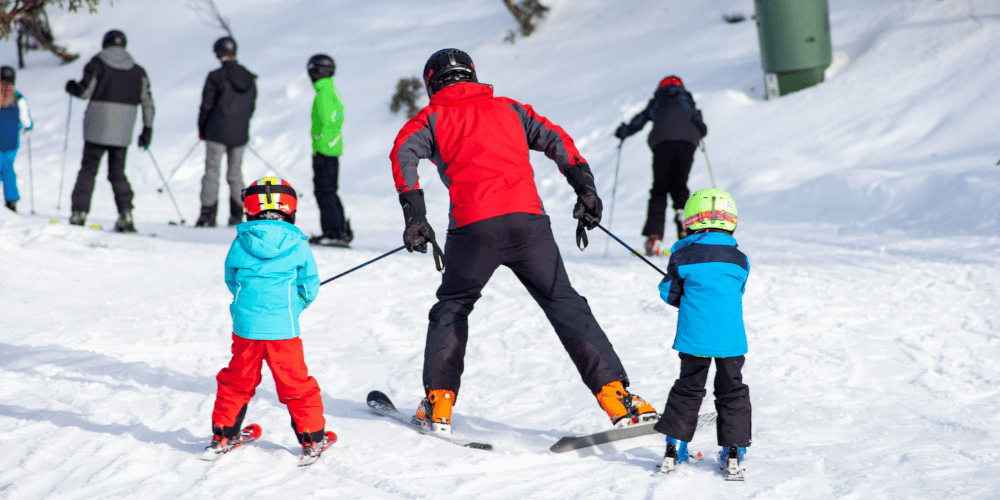
Three things make Auli one of Uttarakhand's most reliable snow destinations:
- Altitude: Auli's slopes run from roughly 2,500 m to over 3,000 m above sea level, high enough that winter precipitation usually falls as snow rather than rain.
- Western disturbances: Most winter snowfall in the Uttarakhand Himalaya comes from western disturbances, weather systems that travel from the Mediterranean region across Pakistan and north India between December and March. Each disturbance brings one to three days of cloud and snow, followed by clear, cold days.
- North-facing, open slopes: Auli's broad meadows hold snow well once it settles, which is why its slopes are used for skiing.
This also explains why snowfall in Auli comes in spells, not continuously. You'll typically see a few days of snowfall, then a week or more of bright sunshine with snow on the ground, then another spell.
Auli Snowfall Month by Month
December: The First Big Snowfalls
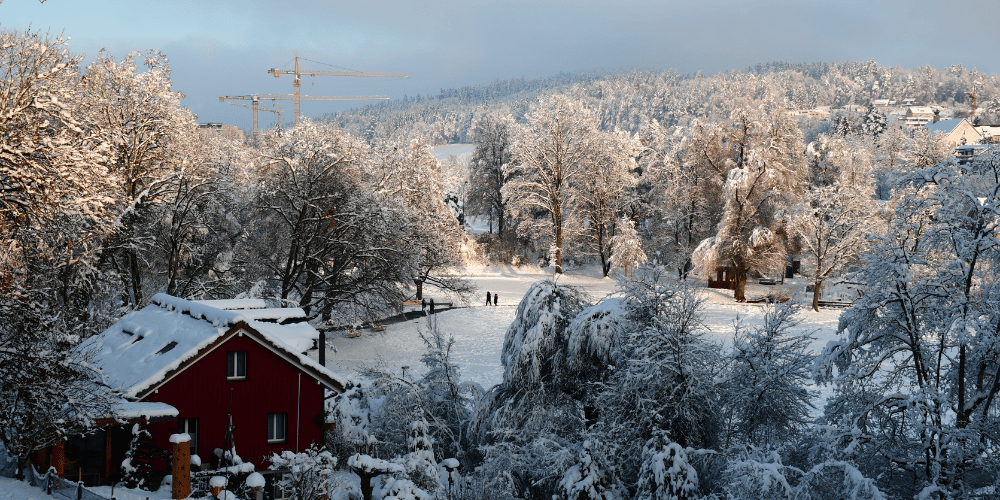
December is when Auli's snow season usually starts. In many years, the first major snowfall arrives somewhere in the first half of December, with more spells following towards Christmas and New Year.
What to expect:
- Snow on the slopes builds through the month; early December may have only light cover.
- Very cold nights, often well below freezing.
- Christmas and New Year bring peak crowds and peak hotel rates.
- Roads can see frost and short closures after heavy snowfall.
Good for: Travellers who want the festive season in the snow and can book early.
Watch out for: Late snow. Some winters have been dry well into December, so if you're travelling in the first half of the month, treat snow as a possibility rather than a certainty.
If you're travelling with children or elderly parents in this season, read our guide to planning a snow trip with kids and parents for cold-weather pacing and hotel tips.
January: Peak Snow and Peak Skiing
January is Auli's coldest and snowiest month. Snowfall spells are frequent, slopes are usually fully covered, and skiing courses run at full capacity.
What to expect:
- The highest chance of fresh snowfall during your stay
- Deep snow on the slopes; the forests and rooftops turn white
- Daytime temperatures close to freezing in shade; nights can drop to -8°C or lower
- Short road disruptions after heavy spells; occasional tourist entry restrictions during avalanche or heavy-snow alerts
Good for: Skiing, snowboarding, snow play, and anyone who wants the full white-landscape experience.
SnazzyTrips Traveller Data: In our Auli bookings, travellers who visit between mid-January and mid-February are the most likely to come back saying they saw both fresh snowfall and a fully white landscape. Late-December travellers more often see snow on the slopes but not always fresh flakes during their stay.
February: Reliable Snow with Clearer Days
February is arguably the best overall month for a snow holiday in Auli. Snow cover is usually at its deepest after December and January's accumulation, fresh spells still arrive, and the clear days between them deliver spectacular views of Nanda Devi and the surrounding peaks.
What to expect:
- Excellent snow cover on all main slopes
- Good skiing conditions; ski courses and competitions are often scheduled in this window
- Slightly milder days than January, still freezing nights
- Fewer crowds than the Christmas–New Year rush
Good for: First-time snow travellers, skiing courses, photography, and families who want snow without the extreme January cold.
For travellers flying in from western India, a 5-day Auli snow tour from Ahmedabad timed for February is one of our most balanced snow itineraries.
March: Spring Snow and Melting Slopes
By March, snowfall becomes less frequent. Early-March spells can still bring fresh snow, and the slopes often keep their cover until mid-March, after which melting speeds up.
What to expect:
- Fresh snowfall possible in the first half of the month
- Softer, wetter "spring snow" on the slopes
- Brown patches appearing on lower slopes by late March
- Comfortable daytime temperatures, still cold nights
- Fewer tourists and better hotel availability
Good for: Travellers who want snow-covered slopes with milder weather and smaller crowds.
Watch out for: Skiing conditions can deteriorate quickly in a warm spell. If skiing is your priority, aim for early March at the latest.
April to June: Snowmelt, Meadows and Mountain Views
From April, Auli changes completely. Snow melts from the slopes, the meadows turn green, and the area becomes a cool summer escape.
April: Snow patches linger on shaded upper slopes early in the month. The surrounding peaks remain snow-capped. Weather is fresh and pleasant.
May and June: No snowfall in Auli itself. Days are mild, nights cool, and skies often clear in the mornings. This is a great time for gentle treks such as Gorson Bugyal and for combining Auli with a Badrinath yatra, as the Badrinath shrine is open in this season.
Snow you will see: Snowy peaks on the horizon, including Nanda Devi, Dronagiri and Kamet. You won't find snow underfoot in Auli.
July to September: Monsoon, No Snow
The monsoon brings regular rain, low cloud and landslide risk on the Rishikesh–Joshimath highway. Auli is lush green, but mountain views are often hidden, and road delays are common.
There is no snowfall in Auli during these months. If you travel in this window, it's usually to combine Auli with the Valley of Flowers bloom. A trip like Valley of Flowers with Auli from Delhi works best with built-in buffer days for weather.
October: Clear Skies, Rare Early Dusting
October is one of the most beautiful months in Auli for views, though not for snow. Post-monsoon air is clean, skies are clear, and the Himalayan panorama is at its sharpest.
What to expect:
- No regular snowfall; a light dusting on the upper slopes is possible late in the month after an early cold spell, but it's rare and short-lived
- Cold mornings and evenings
- Very few crowds
Good for: Photographers, view lovers and travellers who want peace and quiet.
November: Cold, Dry and Waiting for Snow
November is cold and mostly dry. Late November occasionally brings the season's first light snowfall, but heavy snow on the slopes is unusual.
What to expect:
- Freezing nights, crisp days
- Dry brown slopes for most of the month
- Possible first flakes in the final week
- Off-season hotel rates
Good for: Travellers who want winter cold, clear views and good prices, without expecting snow.
SnazzyTrips Insight: Every November, we get calls from travellers asking for "snowfall in Auli next week". For most of November, the honest answer is that you'll see snow on the peaks but not underfoot. If snow underfoot is the goal, shifting even three or four weeks later makes a big difference.
Snowfall vs Snow on the Ground: An Important Difference
Many travellers mix these up, and it affects expectations:
- Snowfall means flakes actually falling during your stay. It happens in spells of one to three days, and it depends entirely on when a western disturbance arrives.
- Snow on the ground means the slopes are already covered. Once January's snow settles, it often stays for weeks, even on sunny days.
If you visit Auli in late January or February, you'll almost certainly see a snow-covered landscape, even if no fresh snow falls during your stay. Watching snow actually fall is a bonus, not something anyone can promise.
Is Snowfall in Auli Guaranteed?
No. Snowfall in the Himalaya is variable, and some recent winters have seen delayed or lighter snowfall, especially in December. A few practical points:
- No operator can guarantee snowfall on fixed dates. Be wary of anyone who promises it.
- Weather forecasts help close to travel. India Meteorological Department (IMD) forecasts for Uttarakhand usually signal western disturbances about 5–7 days ahead.
- Flexibility is your best tool. If you can shift your dates by a few days, you can often time your trip around a forecast spell.
- Snow cover is more predictable than snowfall. By mid-January, the slopes are usually covered regardless of whether it snows during your visit.
When comparing operators, ask how they handle snow expectations and weather changes. Our guide to questions to ask a travel company about snow guarantees covers this, and it's also worth understanding the difference when choosing a local Uttarakhand travel agency that tracks on-ground conditions rather than a reseller working from a distance.
Auli Skiing Season: When Can You Ski?
Skiing in Auli depends on snow cover, so the season roughly follows the snowfall pattern:
- Late December: Skiing possible if early snowfall has been good
- January to February: Main skiing season; best conditions and most courses running
- Early March: Skiing still possible on upper slopes in most years
- Mid-March onwards: Conditions decline as snow melts
GMVN and private operators offer beginner courses and equipment hire during the season. The Auli chair lift, which takes skiers and visitors to the upper slopes, mainly runs during this winter window, subject to weather and maintenance.
How Snow Affects Getting to Auli
Snow is the reason you go to Auli, and also the main thing that can slow you down.
- The road from Joshimath to Auli (about 13–16 km) is the main access route. After heavy snowfall, frost and black ice form on shaded bends, and traffic can be held for hours until the road is cleared.
- Snow chains or 4x4 vehicles may be needed after heavy spells.
- Temporary restrictions: During heavy-snow or avalanche alerts, the administration has sometimes stopped tourists at Joshimath until conditions improve.
- The ropeway is not an option right now. The old Joshimath–Auli cable car used to be the backup when roads closed, but it isn't running. Read the current status of the Joshimath–Auli ropeway before you finalise winter plans.
In snow season, travel in a private SUV with a driver experienced on this route, and avoid driving after dark. Our guide to picking the right vehicle for snowy hill roads explains why. Also choose heated, road-accessible hotels; in peak winter, staying in Auli itself rather than Joshimath saves you this drive every day.
SnazzyTrips Recommends: For winter trips to Auli, build one buffer day into your itinerary and schedule your return journey from Joshimath for the morning, not the evening. A single heavy snowfall can hold traffic for half a day, and the buffer turns a stressful situation into extra time in the snow.
Best Time to See Snow in Auli (By Travel Goal)
| Your Goal | Best Window |
|---|---|
| See fresh snowfall during your stay | Mid-January to mid-February |
| Fully snow-covered landscape | Mid-January to end of February |
| Skiing (beginners and courses) | January to February |
| Snow with fewer crowds | February and early March |
| Christmas/New Year in the snow | Late December (book early; snow not guaranteed) |
| Clear Himalayan views, no snow underfoot | October and November |
| Green meadows and pleasant weather | May and June |
Most of our winter Auli tour package departures are scheduled between late December and early March for exactly this reason, with stays and transfers adjusted to the snow conditions each week.
What to Pack for Snow in Auli
Auli's cold is serious, especially in January. Pack:
- Thermal innerwear (top and bottom) for every day
- A heavy down or padded jacket, plus a fleece layer
- Waterproof gloves, woollen socks and a woollen cap
- Waterproof, high-grip boots; regular sneakers get soaked and slippery
- Sunglasses with UV protection, as snow glare is intense at altitude
- Sunscreen and lip balm, because high-altitude sun burns even in winter
- A power bank, since batteries drain faster in the cold
- Basic medicines, including for cold and headache
Ski gear and snow boots can usually be rented in Auli during the season, so you don't need to buy specialised equipment.
Planning a Snow Trip to Auli from Different Cities
Auli is a long journey from most cities, so plan for at least 5–6 days in total:
- From Delhi: Drive or take a train to Haridwar or Rishikesh, then continue by road with an overnight halt. A Delhi to Auli package usually covers this in 5–6 days.
- From eastern India: Fly or take a train to Delhi or Dehradun. An Auli trip from Kolkata typically connects via Dehradun.
- From southern India: Fly to Dehradun via Delhi or directly where available. An Auli tour package from Chennai builds in the long road leg with a halt.
If you'd like a snow trip but not necessarily in Auli, browse wider snowfall tour packages in Uttarakhand.
What If Auli Has Low Snow? Alternatives in Uttarakhand
In a dry winter, or if Auli's road access is disrupted, these alternatives can still deliver snow:
- Chopta and Tungnath: Often snowbound from December to March. A Chopta winter trek to Tungnath and Chandrashila is excellent for active travellers.
- Munsiyari: Heavy snow some winters, with the Panchachuli peaks behind it. A Munsiyari winter snow tour suits travellers who prefer Kumaon.
- Nainital: Snowfall is occasional and lighter, but more accessible. A Nainital snowfall tour suits families who want a short, easy trip with a chance of snow.
For non-snow options across the state, explore other Uttarakhand holidays beyond Auli.
SnazzyTrips Insight: When a winter starts dry, we shift travellers' Auli dates later rather than cancelling. Auli's best snow cover often arrives in a cluster of spells in January and February, so a two-to-three-week shift can turn a disappointing trip into the one they hoped for.
Frequently Asked Questions
When does it snow in Auli?
Auli usually receives its first snowfall in December, occasionally in late November. The heaviest and most frequent snowfall is in January and February, and snow can continue into early March. There is no regular snowfall in Auli from April to October.
Which is the best month to see snowfall in Auli?
January and February are the best months. January has the highest chance of fresh snowfall and the coldest conditions, while February offers excellent snow cover, good skiing and clearer days between snow spells.
Does it snow in Auli in December?
Yes, December usually brings the season's first major snowfalls, often building towards Christmas and New Year. However, some winters start dry, so snow in early December is not guaranteed.
Is there snow in Auli in March?
Usually, yes, in the first half of March. Snow often remains on the slopes until mid-March, and fresh spring snowfall is possible early in the month. By late March, slopes start to melt.
Can I see snow in Auli in April or May?
In early April, you may see leftover snow patches on shaded upper slopes. By May, there is no snow underfoot in Auli, but the surrounding Himalayan peaks remain snow-covered and clearly visible.
How cold is Auli in January?
Daytime temperatures in January usually range from about 3–8°C, while nights can drop to -5°C to -8°C or lower, especially on the upper slopes and after snowfall.
Is snowfall guaranteed in Auli in winter?
No. Snowfall depends on western disturbances and varies every year. Snow cover on the slopes is fairly reliable from mid-January to February, but fresh snowfall on specific dates cannot be guaranteed. Checking IMD forecasts 5–7 days before travel helps.
When is the skiing season in Auli?
Skiing in Auli usually runs from late December to early March, depending on snow cover. January and February offer the best and most consistent skiing conditions.
Is the road to Auli open during snowfall?
The Joshimath–Auli road generally stays open, but heavy snowfall can cause frost, black ice and temporary closures until roads are cleared. During severe weather alerts, tourists may be held at Joshimath. Carry snow chains or use a 4x4 vehicle after heavy spells.
Why plan an Auli snow trip with SnazzyTrips?
SnazzyTrips is a Haldwani-based Uttarakhand DMC operating since 2003, trusted by 20,000+ families across 50+ destinations. With 150+ verified local partners and a 4.6/5 average rating across verified traveller reviews, the team times Auli trips around current snow conditions, road access and weather forecasts, and adjusts plans when conditions change.
Final Word
Auli's snow season is short but spectacular. Aim for mid-January to February for the best snow, keep a day or two of flexibility, travel in a suitable vehicle, and stay on the slopes during peak winter. If you can't make those months, Auli still rewards visitors year-round, from clear October panoramas to green May meadows. The snow just won't be underfoot.
When you're ready, you can plan an Auli holiday around the snow season with stays, transfers and buffer days matched to current conditions.
Travel Packages